
Conversations Without Borders

Welcoming Moments That Start Strong
Pronouncing Names With Care
Begin by asking, not assuming. Invite colleagues to say their names twice, then repeat back briefly to confirm. Add phonetic hints to your profile and encourage others to do the same. This small practice builds trust, reduces anxiety, and signals humility in multicultural, fully distributed teams.
Time-Zone Respect Without Guilt
Open meetings by recognizing early mornings and late nights, then rotate inconvenient slots fairly. Include a standing note in agendas indicating the local times represented. This simple ritual stops hero narratives, spreads the load compassionately, and shows care for invisible labor across continents and seasons.
Camera Preferences and Comfort
State that camera use is optional, not a performance test. Some cultures value privacy or bandwidth conservation; others appreciate visual cues. Offer a quick round of reactions or chat emojis for those off-camera. Normalize flexible participation so colleagues feel welcome without pressure or judgment, especially on first calls.
Framing Improvements With Context
Clarity Without Coldness
Protecting Dignity in Group Settings
Feedback That Lands Across Contexts
Meetings That Balance Silence and Speed
Triaging Silence as Thinking Time
Announce intentional pauses before big questions and time them. Encourage note-taking during silence, then invite contributions in chat first. This practice reframes quiet as cognitive work, not disengagement, letting reflective communicators contribute fully while extroverted speakers learn to share airtime with equitable structure.
Rotating Facilitation for Fairness
Rotate facilitator roles across regions and seniority levels. Provide a lightweight checklist: purpose, timing norms, turn-taking plan, and decisions to capture. This spreads influence, reveals hidden friction points, and prevents any single cultural style from dominating recurring meetings, improving morale and outcomes simultaneously over successive iterations.
Parallel Channels to Equalize
Open a running chat thread for questions and examples. Invite reactions with specific prompts, like green check for agreement and blue dot for concerns. People with bandwidth, accent, or confidence barriers gain equal footing. Summarize both spoken and written inputs to validate diverse participation modes consistently.
Writing That Survives Translation
Decisions Across Different Hierarchies



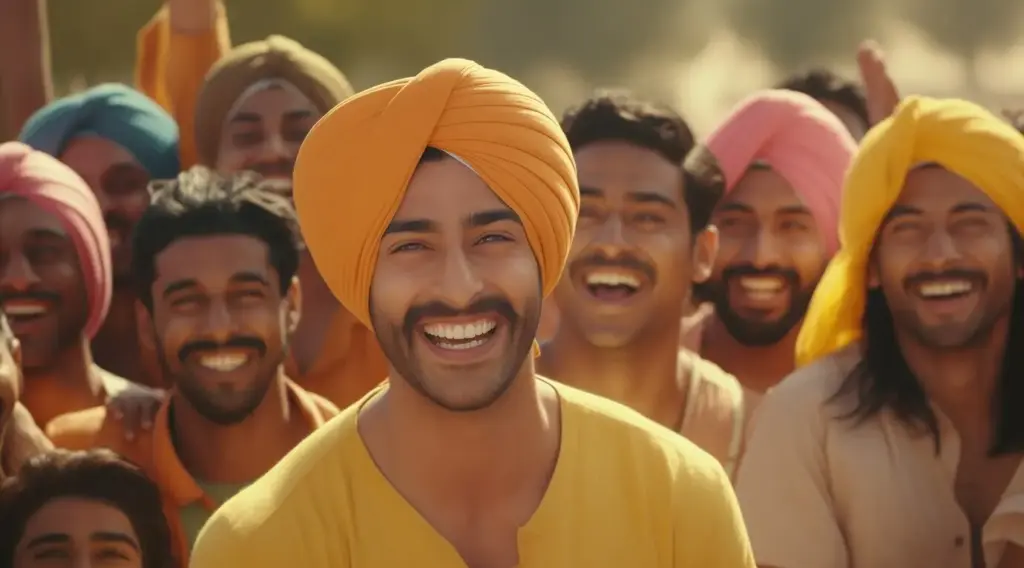
Rituals That Build Distance-Defying Trust
Culture Swap Showcases
Invite five-minute micro-presentations where teammates share a holiday, snack, or phrase from their context. Encourage questions without interrogation. Rotate monthly and record short clips. These joyful moments normalize difference, boost curiosity, and create shared references that soften difficult conversations later when stakes and timelines escalate quickly.
Inclusive Calendars and Cadence
Maintain a living calendar with regional holidays, fasting periods, and daylight shifts. Proactively adjust sprint pacing around major observances. Celebrate wins asynchronously with photos and captions so nobody misses appreciation. These habits communicate, without speeches, that people and their local realities truly matter every week.
Safety Check-Ins That Matter
Begin retros with a one-word weather report and a private pulse survey. If scores dip, schedule a small listening circle. Capture themes, not names, and agree on one experiment. This rhythm creates accountability for well-being and makes vulnerability safer across diverse comfort levels with emotional disclosure.
All Rights Reserved.